
Last Updated:
April 25, 2026
Mowing the lawn might seem like a simple task, but timing plays a bigger role than you may realize. One of the most common questions people run into is whether it’s okay to mow when the grass is still wet from rain, irrigation, or even just morning dew.
While it’s sometimes unavoidable, mowing under wet conditions can lead to a variety of short-term frustrations and longer-term lawn issues. Keep reading to learn more about this commonly asked question about lawn mowing.
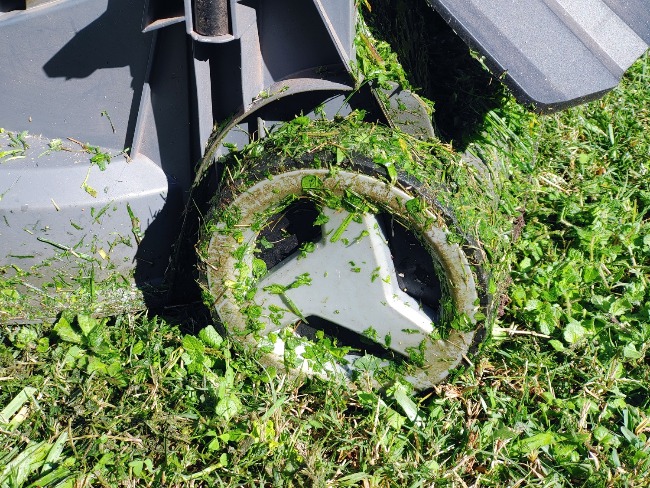
Moisture changes the structure and behavior of grass blades in noticeable ways. Instead of standing upright, wet grass tends to bend and clump together. This makes it harder for mower blades to cut evenly, often resulting in a patchy or inconsistent appearance across the lawn.
In addition to the grass itself, the soil underneath may also be affected. Wet ground is softer and more prone to compaction or rutting under the weight of mowing equipment. Even lightweight mowers can leave behind tracks or disturb the soil when conditions are overly saturated.
While mowing wet grass won’t always ruin your lawn, it does increase the likelihood of several common problems. These issues can affect both the health of your turf and the overall appearance of your yard.
Some of the most frequent concerns include:
Mowing isn’t just about keeping your lawn looking neat—it plays a key role in maintaining healthy grass. Proper mowing encourages thicker growth, helps control weeds, and supports strong root development. Consistency and technique matter just as much as frequency.
When mowing is done under ideal conditions, the grass recovers quickly and continues growing evenly. Clean cuts reduce stress on the plant, while proper height management helps the lawn retain moisture and resist environmental stress. Wet conditions interfere with many of these benefits.
The best time to mow is when the grass is dry and the weather is mild. Late morning or early evening often provides ideal conditions, as dew has evaporated and temperatures are not at their peak.
If your lawn has recently been watered or exposed to rainfall, it’s usually best to wait until both the grass blades and the soil have had time to dry. This not only improves mowing results but also helps protect the structure of your lawn.
Trying to mow a damp lawn often leads to frustrating results. Grass clippings can clump together and clog the mower deck, forcing you to stop frequently to clear debris. Wet blades are also harder to cut cleanly, which can leave behind jagged edges that stress the grass.
Beyond performance issues, safety can also become a concern. Slippery conditions increase the risk of losing control of the mower, particularly on slopes or uneven terrain.
There are situations where waiting isn’t practical, especially during periods of frequent rain. If your lawn has become overgrown, mowing while it’s slightly damp may be necessary to keep it manageable.
In these cases, taking extra precautions can help reduce potential damage. Using sharp blades, mowing at a higher setting, and moving more slowly can improve results. However, mowing should still be avoided if the ground is saturated or muddy.
If your lawn feels soft or soggy underfoot, it’s a good sign that mowing should be postponed. Extremely wet conditions can lead to deep ruts, soil compaction, and damage to the grass roots.
Heavy or standing water is another clear indicator that mowing should be delayed. Attempting to cut grass in these conditions can do more harm than good and may take significant time for the lawn to recover.
Different types of grass respond differently to moisture and mowing stress. Some varieties are more resilient and can bounce back quickly, while others are more sensitive to damage caused by uneven cuts or soil disturbance.
Growth habits also play a role. Dense, fast-growing lawns may become difficult to manage if mowing is delayed too long, increasing the temptation to mow under less-than-ideal conditions. Understanding how your grass behaves can help you make better decisions about timing.
Q: Will mowing wet grass damage my mower?
A: It can. Wet clippings can clog the mower deck and strain the engine, especially if the grass is thick or overgrown.
Q: Why does my lawn look uneven after mowing when it’s damp?
A: Wet grass bends and sticks together, making it harder for the mower to cut evenly across the surface.
Q: Can mowing wet grass spread lawn diseases?
A: Yes, moisture can help spread fungal diseases, especially if clippings are not distributed evenly.
Q: Is it safer to mow wet grass with a push mower or riding mower?
A: Both can be risky. Slippery conditions increase the chance of losing traction or control regardless of mower type.
Q: How long should I wait after rain before mowing?
A: It depends on conditions, but waiting until the grass and soil are mostly dry is the safest approach.
Q: Does mowing wet grass dull mower blades faster?
A: It can contribute to faster wear, especially if debris or clumped clippings put extra strain on the blades.


Welcome to Little John’s Lawns! We are a family-owned company that specializes in providing professional lawn maintenance, lawn care, and irrigation services in Gilbert, Chandler, Mesa, Queen Creek, Tempe, & San Tan Valley.