
Last Updated:
October 17, 2026

Spending winter in Arizona is a welcome escape from the snow, ice, and freezing temperatures common across the Midwest. If you're renting a seasonal home or maintaining a second property in Arizona, you may discover that desert landscaping comes with its own set of challenges. Irrigation systems work differently than you might expect, some lawns turn brown naturally in winter, and even desert-adapted plants need special attention during dry spells during Arizona winters.
Whether you're staying in Mesa, Chandler, or Gilbert, understanding the basics of winter yard care can help you protect the property and avoid unnecessary maintenance problems. Use these checklists to keep your Arizona landscape in good shape throughout your winter stay!
Arizona's dry climate means most landscapes rely on irrigation rather than regular rainfall. However, cooler winter temperatures reduce how quickly many plants lose moisture. Continuing to water on a summer schedule can waste water or leave the soil too wet, while turning off the system completely may stress trees, shrubs, and other plants.
Seasonal renters should ask the property owner about the existing watering schedule, while homeowners spending winter elsewhere should arrange periodic system inspections.
Winter irrigation checklist:

If you're used to maintaining a green Midwestern lawn, seeing brown grass in December may seem like a warning sign. In the Arizona low desert, however, bermudagrass commonly enters dormancy when temperatures cool. The grass turns tan or brown as its growth slows, then resumes active growth when warmer conditions return.
Some homeowners overseed bermudagrass with cool-season ryegrass to maintain a green lawn through winter. Before watering more frequently or scheduling lawn treatments, determine which type of lawn you're dealing with.
Winter lawn care checklist:
Arizona yards often feature decorative rock, cacti, succulents, native plants, and drought-tolerant shrubs instead of the broad lawns and traditional flower beds found in the Midwest. Although these landscapes are designed for dry conditions, they still need occasional maintenance.
Winter rain can trigger weed growth, while clogged drip emitters may leave individual plants without enough water. It's also important to remember that not every desert plant has the same watering or pruning requirements.
Desert landscaping checklist:
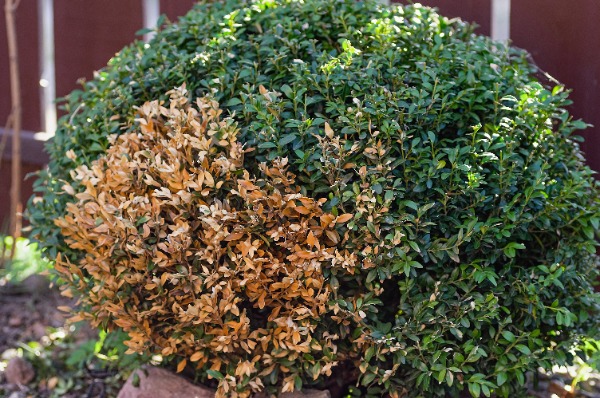
Arizona winters are generally mild in the low desert, but overnight temperatures can occasionally fall low enough to damage sensitive plants. Visitors from the Midwest may assume that Arizona landscapes are protected from frost, yet tropical plants, young shrubs, and some citrus varieties can still suffer cold damage.
Knowing which plants need protection before a cold snap arrives can help prevent avoidable damage. Homeowners who leave their properties unattended should also make arrangements for someone to check the landscape when freezing weather is forecast.
Cold-weather yard care checklist:
Arizona doesn't experience the same widespread autumn leaf drop as many Midwestern communities, but outdoor cleanup is still important during winter. Wind can blow debris into landscape beds and patios, while rain may encourage weeds to emerge in gravel and planting areas.
For seasonal residents, regular inspections can help keep a yard presentable and reveal small maintenance issues before they get worse. This is particularly important for vacant properties that may go several weeks without anyone checking the landscape.
Winter cleanup checklist:
Many snowbirds spend only part of the year in Arizona, so planning for your departure is just as important as preparing for your arrival. A property that looks healthy when you leave can develop problems if irrigation fails, weeds spread, or cold weather damages sensitive plants while you're away.
Before returning to the Midwest, make sure someone knows how to check the property and whom to contact if maintenance is needed. A clear plan can prevent small issues from becoming expensive repairs.
Before-you-leave checklist:

Some winter yard care tasks are simple enough to handle yourself, but others require experience with Arizona's plants, irrigation systems, and seasonal growing conditions. A malfunctioning irrigation zone, widespread weed growth, or a struggling landscape plant may need more than a quick fix.
Renters should clarify which maintenance tasks are included in their agreement and report problems to the property manager. Owners can benefit from arranging professional service before leaving the property for an extended period.
Professional yard care checklist:
Little John's Lawns can help Arizona homeowners and visitors keep their landscapes looking their best with professional lawn and landscape maintenance. Whether your property needs weed control, lawn care, irrigation-related attention, or general landscape upkeep, having a dependable local team can make seasonal property ownership easier.
Contact Little John's Lawns to discuss your yard care needs and find out how professional service can help keep your Arizona property in shape throughout the winter!
Be sure to download our checklist below for more tips on how to get your entire property ready for your stay here in Arizona!


Welcome to Little John’s Lawns! We are a family-owned company that specializes in providing professional lawn maintenance, lawn care, and irrigation services in Gilbert, Chandler, Mesa, and Queen Creek, AZ.