
Last Updated:
November 7, 2026
Late fall and winter are generally the best times to install landscape rocks in Arizona. Cooler temperatures make outdoor projects more manageable, while the milder weather gives homeowners an opportunity to update their yards before spring and summer heat return. Whether you're adding decorative gravel to planting beds or replacing larger areas of ground cover, scheduling installation during the cooler months can make the process easier and help prepare your landscape for the rest of the year.
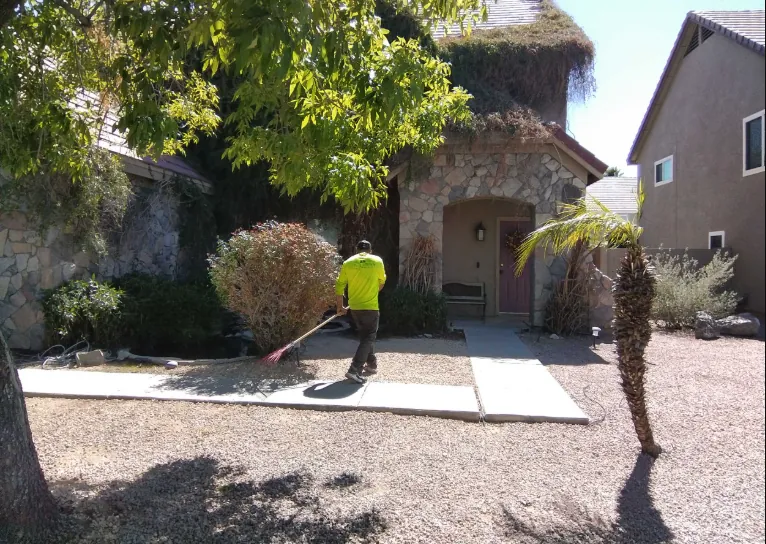
Once Arizona's intense summer heat begins to fade, landscape installation becomes much more practical. Crews can work more comfortably, and homeowners have more flexibility to complete projects without dealing with the challenges of peak summer temperatures.
Cooler weather also provides a useful opportunity to address landscape improvements before the next growing season. Installing rocks during this period can give newly updated beds time to settle and allow homeowners to make other seasonal adjustments before spring arrives.
There are several reasons this time of year works especially well for rock installation:
Landscape rocks are a long-term ground cover, so installation involves more than choosing a color or spreading material across an open area. The ground needs to be prepared properly, drainage should be considered, and existing plants need enough room to grow.
Arizona's weather makes these details especially important. Summer heat can make outdoor installation challenging, while seasonal rainfall can reveal drainage issues that need to be addressed before rocks are placed. Choosing a cooler installation window gives homeowners more time to plan the layout and prepare the ground.
It also creates an opportunity to rethink how different areas of the yard function. You might replace an aging ground cover, define planting beds, reduce the amount of exposed soil, or create a more consistent appearance throughout the property. Getting this work done before spring makes it easier to maintain a finished landscape as the weather warms.

Spring is another reasonable time to install landscape rocks in Arizona, particularly during the earlier part of the season. Temperatures are usually more manageable than they are in summer, making it possible to complete projects before the hottest months arrive.
This timing can be useful if you're planning additional landscaping work. For example, homeowners may want to install rocks around new plants, refresh existing beds, or coordinate ground cover with other improvements.
However, spring temperatures can rise quickly in Arizona. Delaying a project too long may mean working through increasingly hot conditions. Late fall and winter provide a longer opportunity to complete the installation before seasonal temperatures begin climbing again.
Arizona summers are not particularly forgiving when it comes to outdoor landscaping projects. High temperatures and intense sunlight can make physical work difficult, especially when installing materials across large areas.
Rock can also become extremely hot after sitting in direct sunlight. This can create uncomfortable working conditions and may affect nearby plants that are already dealing with summer heat. Although installation is still possible, it often requires more careful scheduling and attention to plant protection.
Some of the main drawbacks of summer rock installation include:
Unlike regions with prolonged freezing conditions, much of Arizona has relatively mild winters. This makes winter a practical season for many landscaping projects, including installing decorative rock, gravel, and other stone ground covers.
Still, Arizona's climate varies considerably by elevation. Lower desert communities typically have more opportunities for winter installation, while higher-elevation areas may experience freezing temperatures or occasional snowfall. Soil conditions and local weather should always be considered before scheduling work.
Winter is also a good time to address other landscape details while the yard is being updated. Grading, edging, weed barrier installation, and drainage improvements can all be incorporated into the project when appropriate. Taking care of these details helps create a more finished result that is ready for the warmer months.
Q: What is the best month to install landscape rocks in Arizona?
A: October through February is generally a favorable window in Arizona's lower desert communities. Local temperatures and project conditions can affect the best installation date.
Q: Can landscape rocks be installed during the summer in Arizona?
A: Yes, but extreme heat can make installation more difficult. Scheduling the work during cooler parts of the day and taking precautions around existing plants can help.
Q: Does landscape rock help keep weeds out?
A: Landscape rock can reduce weed growth by covering exposed soil and limiting the space available for seeds to establish. Proper ground preparation and maintenance are still necessary because some weeds can grow through gaps or develop in accumulated debris.
Q: Should a weed barrier be installed beneath landscape rocks?
A: A weed barrier may help limit certain weeds, but it is not a permanent solution. Some homeowners prefer landscape fabric, while others use proper soil preparation and periodic weed maintenance.
Q: Do landscape rocks make an Arizona yard hotter?
A: Rocks can absorb and retain heat, particularly when placed in areas with direct sun exposure. Their impact depends on rock color, size, placement, and surrounding conditions. Keep heat-sensitive plants in mind when planning your layout.
Q: How often do landscape rocks need to be replaced?
A: Landscape rocks can last for many years without needing full replacement. However, they may need occasional cleaning, repositioning, or replenishment as they shift or become mixed with soil and organic debris.


Welcome to Little John’s Lawns! We are a family-owned company that specializes in providing professional lawn maintenance, lawn care, and irrigation services in Gilbert, Chandler, Mesa, Queen Creek, Tempe, & San Tan Valley.