
Last Updated:
September 18, 2026
Choosing the right mulch for an Arizona landscape means considering more than color and appearance. Desert heat, intense sunlight, and dry soil can all affect how mulch performs around your plants.
Rubber mulch offers durability, while organic mulch helps improve soil health over time. Both have advantages, but the better choice depends on your landscape and what you want your mulch to accomplish.
Mulch creates a protective layer over the soil, helping reduce evaporation, limit weed growth, and protect plant roots from temperature swings. It also gives planting beds a cleaner, more finished appearance.
Arizona’s hot summers make these benefits especially useful. However, different mulch materials handle heat, moisture, and long-term maintenance in different ways.
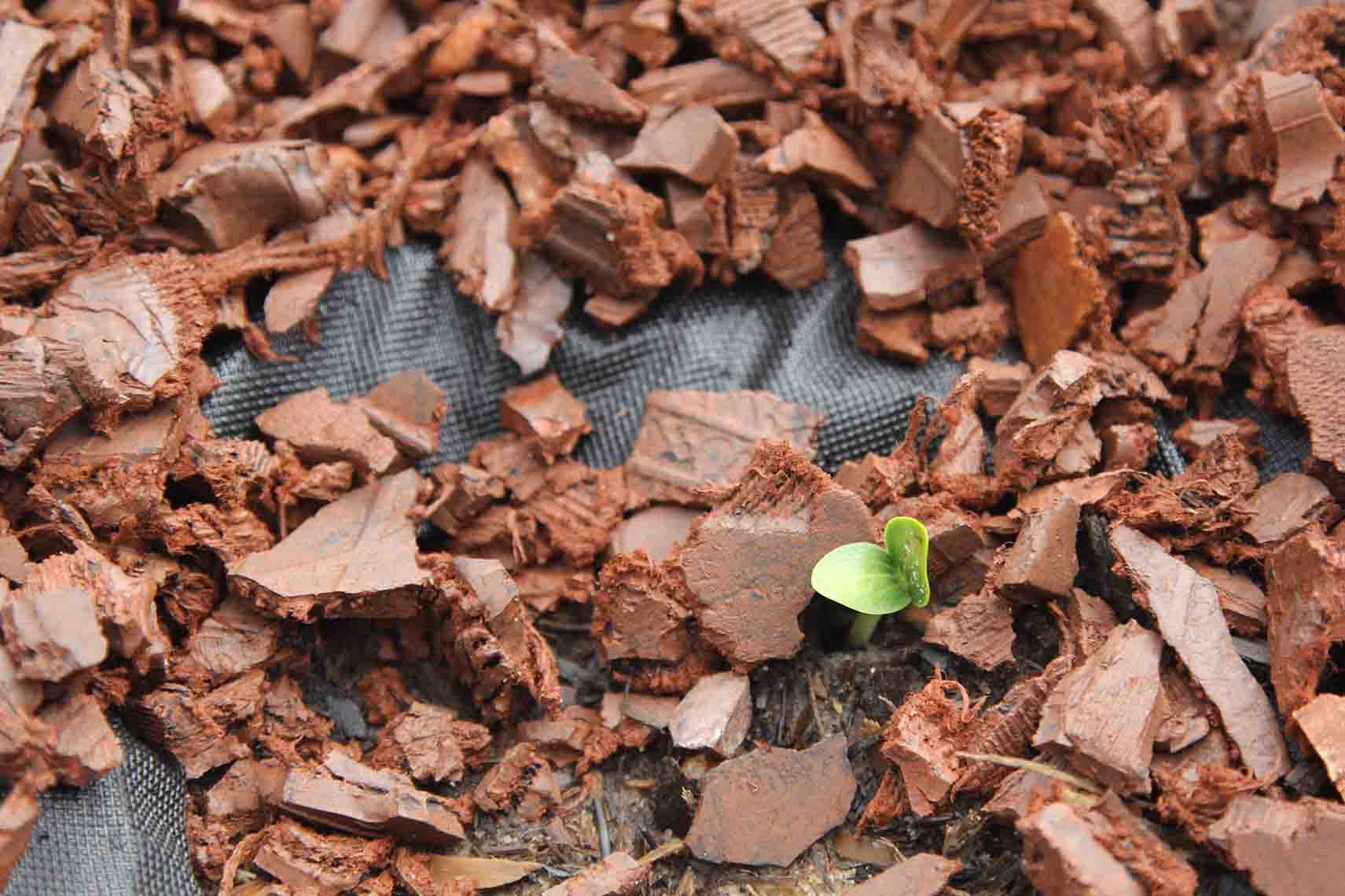
Rubber mulch is made from processed recycled rubber, commonly from old tires. It is available in several colors and can provide a consistent appearance around trees, shrubs, and flower beds. Its biggest advantage is durability. Rubber does not decompose like wood mulch, so it generally lasts longer and requires less frequent replacement.
There are some drawbacks, though. Rubber mulch does not add organic matter to the soil, and dark-colored materials can become hot in direct Arizona sunlight. It may not be the best fit for every planting area.
Rubber mulch can be a practical option for homeowners who want long-lasting ground coverage without regularly replacing wood mulch.
Rubber mulch still needs to be installed correctly, and it should not be considered a complete solution for weed control. Some of its main advantages include:
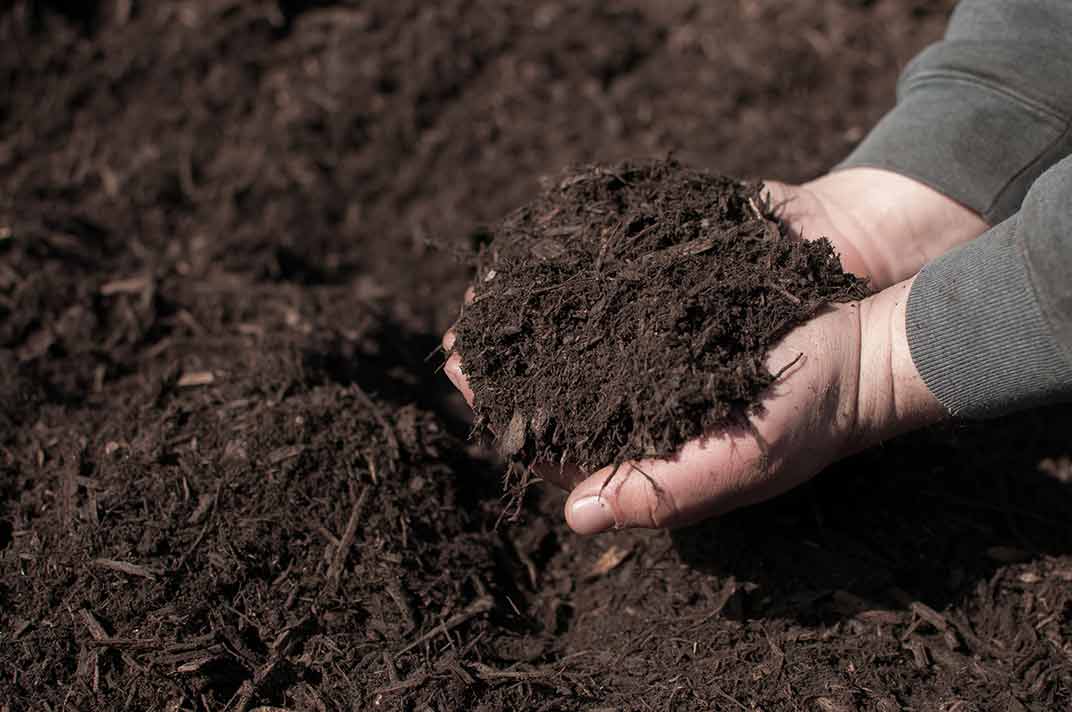
Organic mulch is made from natural materials such as wood chips, shredded bark, compost, and leaves. Wood mulch is especially popular for residential planting beds. Unlike rubber, organic mulch gradually breaks down and adds organic matter to the soil. This can improve soil structure, support microbial activity, and help the ground retain moisture.
The tradeoff is that organic mulch needs to be refreshed periodically. Wind, irrigation, and Arizona’s intense sunlight can also cause it to thin out faster in exposed areas.
Organic mulch does more than cover bare soil. As it decomposes, it contributes to the growing environment around your plants.
For Arizona homeowners focused on plant health and soil improvement, these benefits make organic mulch a strong choice. Key benefits include:
Arizona’s summer temperatures are an important consideration when selecting mulch. Organic mulch helps shade the soil and reduce evaporation, which can be useful around shrubs and flowers.
Rubber mulch can also cover the soil, but it may become very hot when exposed to direct sunlight. This is especially worth considering around plants that are sensitive to excessive heat. The best option depends on the location. Shaded beds, sunny planting areas, and desert-adapted landscapes may each call for a different mulch material.
Organic mulch is the better choice if improving soil quality is your main priority. As wood chips and other natural materials decompose, they add organic matter to the ground. This can help improve soil structure and moisture retention, especially in sandy or compacted Arizona soils.
Rubber mulch provides coverage but does not offer the same soil-building benefits. It may be useful for durability, but it should not be selected with the expectation that it will improve soil fertility.
Rubber and organic mulch are only two possibilities. Rock mulch, gravel, and other inorganic materials are also common in Arizona landscaping.
Rock can work well around drought-tolerant plants and in low-maintenance desert designs. However, it can absorb and radiate heat, and it does not contribute organic matter to the soil. Compost and other natural materials may also be useful when improving soil is more important than creating a decorative ground cover.
Rubber mulch makes sense for homeowners who prioritize durability, reduced replacement, and a consistent appearance. Organic mulch is often the better choice for planting beds where soil health, moisture retention, and plant growth matter most.
For many Arizona landscapes, premium organic wood mulch offers the best combination of soil protection and long-term plant benefits. It requires occasional refreshing, but the advantages can make that maintenance worthwhile.
Consider your plants, sun exposure, irrigation, and maintenance preferences before deciding which material belongs in your landscape.
Q: Is rubber mulch good for Arizona summers?
A: Rubber mulch can be used in Arizona, but it may become hot in direct sunlight. Consider the location and nearby plants before installing it.
Q: Does organic mulch help retain moisture?
A: Yes. Organic mulch reduces evaporation from the soil surface and helps maintain more consistent moisture around plants.
Q: Which lasts longer, rubber mulch or organic mulch?
A: Rubber mulch generally lasts longer because it does not decompose like wood mulch. Organic mulch needs periodic refreshing.
Q: Is organic mulch better for Arizona soil?
A: Yes. Organic mulch adds organic matter as it breaks down, helping support soil structure and moisture retention.
Q: Is rock mulch a good alternative in Arizona?
A: Rock mulch works well in some desert landscapes, especially around drought-tolerant plants. However, it can become hot and does not improve soil quality like organic mulch.
Q: How often should organic mulch be replaced?
A: Organic mulch should be refreshed when it becomes thin, decomposes, or gets displaced by wind and irrigation. The timing depends on the material and location.


Welcome to Little John’s Lawns! We are a family-owned company that specializes in providing professional lawn maintenance, lawn care, and irrigation services in Gilbert, Chandler, Mesa, and Queen Creek, AZ.