
Last Updated:
July 11, 2026
Determining exactly how often to trim your bushes can be confusing. Some shrubs grow rapidly and require frequent attention, while others may only need light pruning once or twice a year. Trimming too often can interfere with natural growth, while waiting too long can lead to overgrowth, poor appearance, and even plant health issues.
The ideal trimming schedule depends on several factors, including the type of shrub, its growth rate, its purpose in the landscape, and the time of year. Let’s learn a bit more about how often you should trim your bushes for landscaping success!
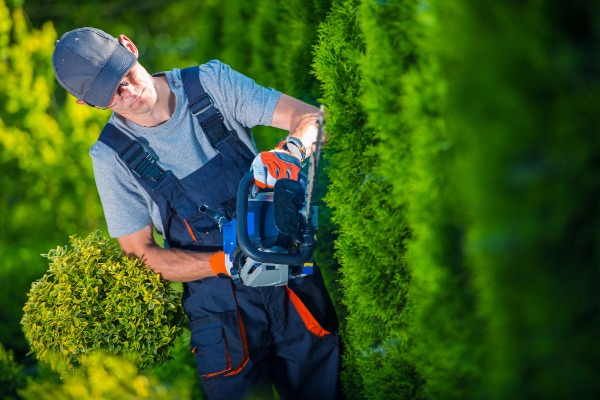
Not all shrubs grow at the same pace. Certain varieties can produce significant new growth during a single growing season, quickly becoming oversized if they are left untrimmed. Fast-growing bushes often require multiple trimming sessions each year to maintain their shape and prevent them from overwhelming nearby plants or landscape features.
Regular maintenance allows these shrubs to remain compact and attractive without requiring drastic pruning later. Smaller, more frequent cuts are generally easier on the plant than removing large amounts of growth all at once.
Some ornamental shrubs naturally grow at a slower pace and maintain their shape for longer periods. These plants typically require less frequent trimming and may only need occasional pruning to remove dead growth or maintain appearance.
Over-trimming slow-growing shrubs can actually reduce their visual appeal and interfere with their natural growth habits. In many cases, selective pruning is more beneficial than routine shearing.
Homeowners should monitor the plant's growth rather than trimming based solely on a calendar schedule. Many slower-growing shrubs benefit from a more conservative approach.
The role a shrub serves in your landscape often determines how often it should be trimmed. Formal hedges and privacy screens usually require more frequent maintenance because consistency and appearance are important. Bushes used as decorative focal points may need less frequent shaping to preserve their natural form.
For example, a hedge bordering a walkway may require trimming several times throughout the growing season to maintain clean lines, while a flowering shrub planted in a landscape bed may only need seasonal pruning.
Common trimming schedules based on landscape use include:
Bush growth tends to fluctuate throughout the year, making seasonal timing an important part of trimming schedules. Many shrubs experience their most vigorous growth during spring and early summer, which is often when additional maintenance becomes necessary.
During periods of active growth, bushes can quickly lose their shape and require touch-up trimming. Growth generally slows later in the season, reducing the need for frequent maintenance.
Rather than trimming on fixed dates, many homeowners achieve better results by observing how quickly their shrubs are growing and adjusting their schedule accordingly.
Bushes grown for their flowers often follow different trimming schedules than evergreen shrubs or hedges. The timing of pruning can directly affect the number of blooms produced the following season.
Spring-flowering shrubs typically develop flower buds during the previous year, meaning improper trimming can remove future blooms before they open. Summer-flowering varieties often produce flowers on newer growth and may tolerate pruning at different times.
To protect flowering performance, it is important to understand when your specific shrub develops its flower buds before scheduling major trimming work.
While general schedules are helpful, visual indicators are often the best guide for determining when trimming is needed. Bushes usually provide clear signs when maintenance should be performed.
You may notice excessive growth extending beyond the desired shape, branches blocking walkways, uneven development, or interior areas becoming crowded. These conditions often indicate that the shrub would benefit from pruning or trimming.
Common signs it's time to trim include:
While regular trimming is important, excessive pruning can create problems of its own. Constant cutting may stimulate unnecessary growth, increase plant stress, and reduce flowering on certain shrub varieties.
Many homeowners mistakenly trim shrubs every time they notice new growth, which can prevent plants from developing naturally. Allowing bushes time to recover between trimming sessions helps maintain plant vigor and promotes healthier long-term growth.
The goal should be maintaining the shrub's health and appearance without creating unnecessary stress through excessive maintenance.
The best trimming schedule is one that reflects the needs of your specific landscape. Fast-growing hedges may require attention several times each year, while ornamental shrubs may only need occasional pruning. Monitoring growth, understanding seasonal development, and recognizing signs of overgrowth can help homeowners determine the ideal frequency for their bushes.
Rather than following a one-size-fits-all schedule, tailoring your trimming routine to the plant's growth habits often produces healthier shrubs and a more attractive landscape throughout the year.
Q: How often should most bushes be trimmed?
A: Many shrubs benefit from trimming one to three times per year, depending on their growth rate and purpose in the landscape.
Q: Can bushes be trimmed too often?
A: Yes. Excessive trimming can stress plants, reduce flowering, and encourage unnecessary growth.
Q: Do fast-growing shrubs need more maintenance?
A: Generally, yes. Fast-growing bushes often require multiple trimming sessions throughout the growing season.
Q: Should flowering shrubs be trimmed on the same schedule as hedges?
A: Not usually. Flowering shrubs often require specific timing to avoid removing developing flower buds.
Q: How do I know when my bushes need trimming?
A: Signs include overgrowth, uneven shape, crowded branches, or interference with nearby structures and walkways.
Q: Is it better to trim a little at a time?
A: In many cases, yes. Light, regular trimming is often less stressful than removing large amounts of growth at once.


Welcome to Little John’s Lawns! We are a family-owned company that specializes in providing professional lawn maintenance, lawn care, and irrigation services in Gilbert, Chandler, Mesa, Queen Creek, Tempe, & San Tan Valley.