
Last Updated:
November 7, 2026
Arizona's cooler months bring a welcome break from intense summer heat, but that doesn't mean your lawn can go without water. Even when temperatures drop and grass growth slows, established lawns may still need occasional irrigation to stay healthy.
The amount of water your yard requires depends largely on the type of grass you have. Warm-season grasses such as bermuda become dormant during winter, while cool-season grasses like ryegrass remain active and need more consistent moisture. Understanding this difference can help you avoid unnecessary watering while protecting your lawn from winter dryness.
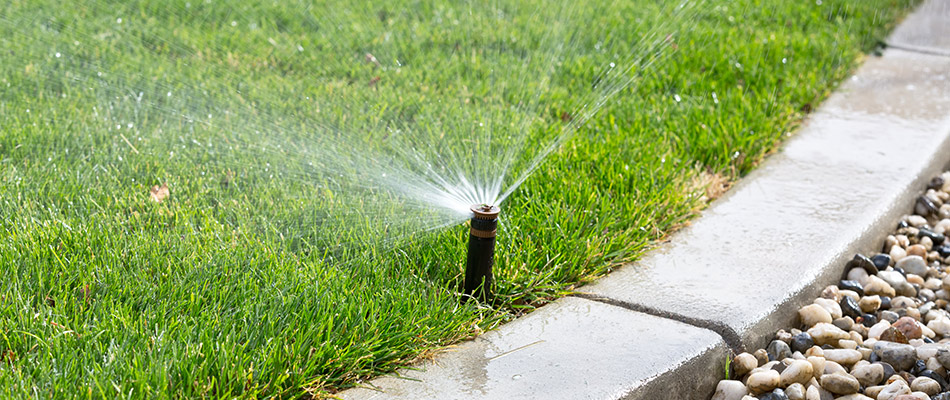
Winter irrigation should be lighter than summer watering, but the right amount depends on grass type, soil conditions, rainfall, and temperatures. Arizona's low winter rainfall and dry air can still cause soil to lose moisture, even when evaporation is slower than during summer.
For dormant bermuda, watering deeply and infrequently is generally preferable to running the sprinklers on a frequent schedule. The goal is to prevent excessive drying without encouraging premature growth.
Overseeded ryegrass needs more regular irrigation because it remains active. Check the soil before watering and make sure moisture reaches the root zone without leaving the ground saturated.
Arizona homeowners commonly maintain warm-season bermuda grass or overseed it with perennial ryegrass for a green winter lawn. These grasses have different seasonal needs, so your watering schedule should reflect which one is growing.
Grass does not always show obvious signs of drought during winter. Dormant bermuda naturally turns brown, so its color alone is not a reliable way to determine whether it needs irrigation.
Instead, pay attention to the soil and the condition of the grass. These signs may indicate that your lawn is becoming too dry:
Too much water can be just as problematic as too little. Since Arizona lawns generally use less water during winter, continuing a summer irrigation schedule can leave the soil unnecessarily wet.
Excess moisture may contribute to shallow root development, fungal problems, and water waste. It can also create muddy areas and drainage concerns around your property.
Keep these winter watering practices in mind:
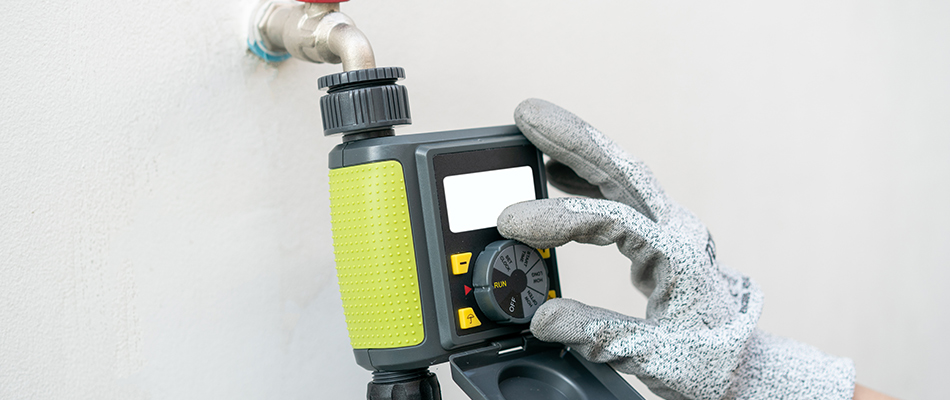
Arizona winters are not consistent across the state. Lower desert communities often experience milder conditions than higher elevations, where colder temperatures and occasional freezes are more common.
Even within the same neighborhood, shaded areas, exposed lawns, and different soil types can have different watering needs. A schedule that works in December may need adjustment in February as temperatures begin to rise.
Check your irrigation system periodically for clogged heads, leaks, and uneven coverage. A properly functioning system makes it easier to deliver the amount of water your lawn actually needs.
Your Arizona lawn may need less water during winter, but it should not automatically be left without irrigation. Dormant bermuda and actively growing ryegrass have different moisture requirements, so understanding your grass type is the first step toward choosing the right schedule.
By monitoring soil conditions and adjusting irrigation as temperatures change, you can avoid unnecessary water use while supporting healthy turf. If you're unsure how to manage your winter watering schedule, professional lawn care and irrigation guidance can help you make the right adjustments for your property.
Q: Should I Water My Bermuda Lawn During Winter in Arizona?
A: Yes, occasionally. Dormant bermuda needs much less water than it does during summer, but periodic irrigation may be necessary during extended dry spells.
Q: Does Winter Ryegrass Need Water in Arizona?
A: Yes. Perennial ryegrass remains active during Arizona's cooler months and needs regular moisture to support healthy growth.
Q: How Often Should I Water My Lawn in Winter?
A: There is no universal schedule. Watering frequency depends on grass type, soil moisture, rainfall, and local temperatures. Check the soil before irrigating.
Q: Is It Bad to Water Grass During Cold Weather?
A: Watering during mild winter conditions is generally fine, but avoid irrigation when freezing temperatures are expected. Wet grass and soil can also create problems if watering is excessive.
Q: Should I Turn Off My Sprinkler System During Winter?
A: Not necessarily. Dormant bermuda may need occasional irrigation, while winter ryegrass requires more consistent moisture. Adjust your controller rather than automatically shutting the system off.
Q: When Should I Increase Winter Watering in Arizona?
A: As temperatures rise toward spring, grass growth and water requirements gradually increase. Begin adjusting irrigation based on soil moisture and the needs of your specific grass type.


Welcome to Little John’s Lawns! We are a family-owned company that specializes in providing professional lawn maintenance, lawn care, and irrigation services in Gilbert, Chandler, Mesa, Queen Creek, Tempe, & San Tan Valley.