
Last Updated:
January 24, 2026
Mulch is a highly effective and natural method for controlling weeds in landscape beds. When applied correctly, mulch creates a physical barrier that makes it difficult for weed seeds to germinate and grow in your landscape beds. It blocks sunlight, regulates soil conditions, and reduces the chances of new weeds taking hold. While mulch will not permanently eliminate every weed, it significantly reduces weed pressure and makes other weed control efforts much more effective.
Mulch works best as a preventative solution rather than a cure for existing weed infestations. When paired with proper installation and routine maintenance, mulch becomes one of the simplest and most reliable weed control strategies available. Most weed seeds require light, air, and space to germinate. A consistent layer of mulch disrupts all three, making it difficult for weeds to establish roots or reach the surface.
Mulch also stabilizes soil temperature and moisture, which favors established plants over opportunistic weeds. As organic mulch breaks down, it improves soil structure, further reducing the conditions weeds prefer.
Key ways mulch suppresses weeds:
Even when weeds do appear in mulched areas, they are often easier to remove than weeds growing in bare soil. Mulch keeps the soil beneath it looser and more moist, which reduces resistance when pulling weeds by hand. Shallow-rooted weeds are less likely to establish deep, strong root systems when growing through mulch.
As a result, occasional maintenance becomes faster and less labor-intensive. This makes mulch especially valuable for homeowners looking to reduce time spent on routine yard work while maintaining clean, attractive beds.
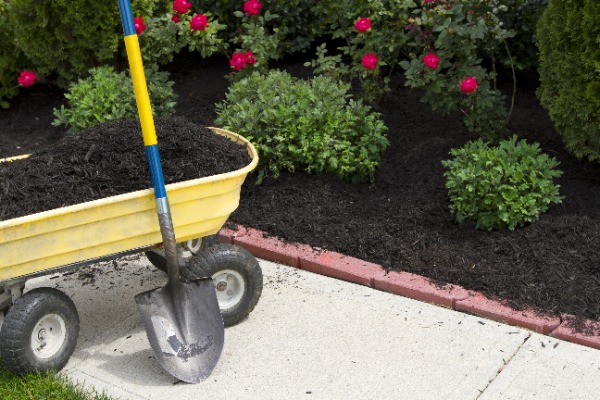
Bare soil is an open invitation for weeds. Sunlight reaches the surface, moisture is readily available, and wind or birds can easily deposit weed seeds. Mulch covers exposed soil, removing the conditions weeds rely on to grow.
Mulched areas experience fewer weed outbreaks because seeds that land on top of mulch rarely make contact with soil. Even if some seeds do germinate, they tend to be weak and easy to remove.
Benefits of mulch over bare soil:
Not all mulch types suppress weeds equally. Organic mulches, such as wood chips, shredded bark, and pine straw, are among the most effective because they form a dense, breathable layer that breaks down slowly over time.
Inorganic mulches like gravel or stone can also help with weed control, but they often require a landscape fabric underneath to prevent weeds from growing through gaps.
Common mulch types and weed control effectiveness:
Mulch provides lasting weed control benefits when used consistently over time. Each application reduces the number of weed seeds that successfully germinate, gradually lowering the overall weed population in the soil. As organic mulch decomposes, it improves soil structure, which further discourages weed growth and supports healthy plants.
This long-term effect is one of the reasons mulch is favored in both residential landscapes and professional garden design. With regular maintenance and reapplication, mulched areas become easier to manage each year, requiring less intervention and fewer weed treatments overall.
Mulch works best when it’s part of a broader weed management plan. While it prevents many weeds from germinating, some perennial weeds may still emerge from established root systems below the mulch layer.
Regular maintenance, including spot hand-weeding and refreshing mulch annually, ensures consistent results. Over time, repeated mulching reduces the overall weed seed bank in the soil, leading to fewer weeds each year.
Ways to maximize mulch’s weed control benefits:
Q: Will mulch stop weeds completely?
A: Mulch greatly reduces weeds but may not eliminate all of them, especially deep-rooted perennials.
Q: Can weeds grow through mulch?
A: Some weeds can grow through thin or poorly maintained mulch layers.
Q: Should landscape fabric be used under mulch?
A: Fabric can help in some situations, but mulch alone is often sufficient when applied correctly.
Q: How often should mulch be replaced for weed control?
A: Most organic mulches should be refreshed once per year.
Q: Is mulch better than herbicides for weed control?
A: Mulch provides preventative control and reduces reliance on chemical treatments.
Q: Does mulch help with weed control in vegetable gardens?
A: Yes, mulch is commonly used in gardens to suppress weeds and retain moisture.


Welcome to Little John’s Lawns! We are a family-owned company that specializes in providing professional lawn maintenance, lawn care, and irrigation services in Gilbert, Chandler, Mesa, and Queen Creek, AZ.