
Last Updated:
August 29, 2026
Fertilizer applications are an important part of maintaining a thick, healthy lawn in Arizona, but applying too much or using the wrong product can cause serious turf damage. Arizona’s intense heat, dry conditions, and irrigation challenges can make fertilizer burn more likely when applications are not handled correctly.
If your grass suddenly develops yellow, brown, or crispy patches after fertilization, fertilizer burn could be the reason. Understanding what causes it and how to prevent it can help keep your lawn healthy throughout the year.
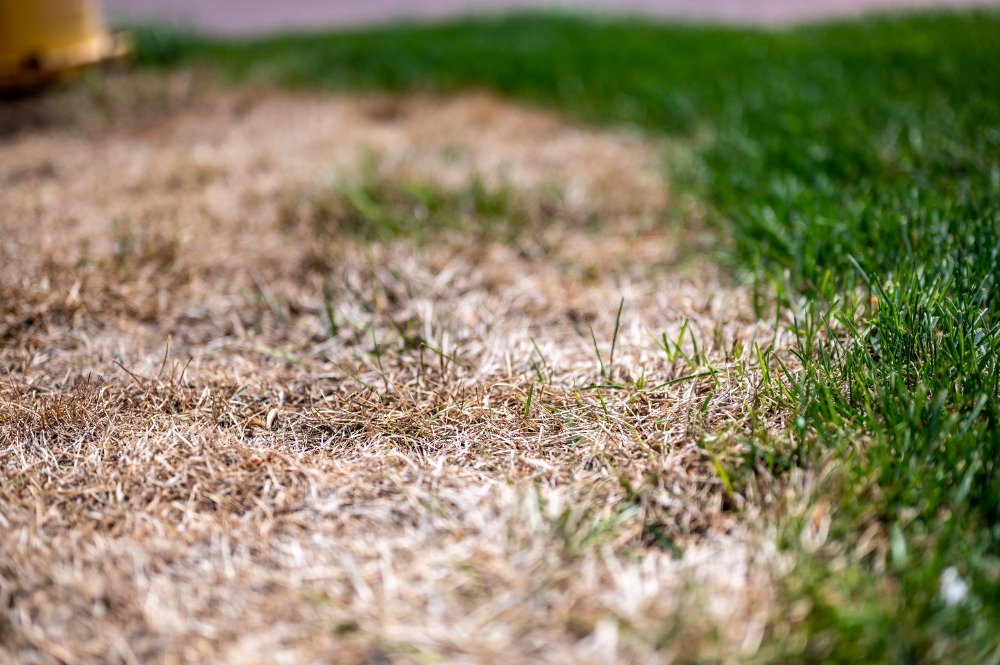
Fertilizer burn occurs when grass receives more fertilizer nutrients than it can safely absorb. Excess salts from fertilizer can draw moisture away from grass tissue and roots, leaving the turf dehydrated and damaged.
In Arizona, this problem can be especially noticeable because high temperatures and dry soil can already place stress on grass.
Common signs of fertilizer burn include:
Arizona lawns face environmental conditions that can increase the risk of fertilizer-related damage. Intense sunlight, high temperatures, low humidity, and inconsistent irrigation can all contribute to turf stress.
Applying fertilizer to already drought-stressed grass can make the problem worse. Warm-season grasses such as bermudagrass may handle Arizona's summer conditions well, but they still require proper watering and fertilizer management.
Factors that can increase fertilizer burn risk include:
Yes. Applying more fertilizer than the grass needs is one of the most common causes of fertilizer burn. Higher amounts do not necessarily make grass grow faster or healthier. Instead, excessive nutrients and fertilizer salts can damage the turf.
Overapplication can also create uneven growth, increase mowing requirements, and potentially contribute to other lawn problems. Following the fertilizer label and applying the appropriate amount for your grass type is essential.
Hot weather can increase the risk of fertilizer damage, particularly when grass is already experiencing heat or drought stress. Arizona summers can create especially demanding conditions for lawns.
Fertilizing during inappropriate weather conditions or applying fertilizer without adequate irrigation can leave concentrated nutrients on the grass and soil surface.
Before fertilizing, consider:
Fertilizer burn often creates noticeable patterns because the damage may occur where too much product was deposited. For example, dark green areas may border yellow or brown streaks where a spreader overlapped or fertilizer was spilled.
However, not every brown patch is caused by fertilizer. Heat stress, irrigation problems, insects, disease, and soil issues can produce similar symptoms. A lawn assessment can help determine whether fertilizer burn is actually responsible for the damage.
The best way to prevent fertilizer burn is to use the right product at the right rate and apply it when your lawn is able to use the nutrients effectively. Professional applications can also help maintain consistent coverage across the property.
To reduce the risk of fertilizer burn:
If you suspect fertilizer has burned your lawn, avoid adding additional fertilizer until the turf has recovered and the cause of the damage is understood. Proper irrigation may help dilute excess fertilizer from the soil, but watering should be appropriate for the grass type and current conditions.
Severely damaged areas may require additional treatment or reseeding, depending on the grass variety and extent of the injury.
Recovery may involve:
Fertilizer can help Arizona grass maintain healthy growth, color, and density, but incorrect applications can cause more harm than good. Excess fertilizer, poor timing, uneven distribution, and inadequate watering can all increase the risk of fertilizer burn.
Professional lawn fertilization services can take your grass type, soil conditions, seasonal requirements, and local climate into consideration when developing an appropriate treatment plan. This helps provide your lawn with the nutrients it needs without unnecessarily exposing the turf to excessive fertilizer.
Q: Can fertilizer burn grass in Arizona?
A: Yes. Applying too much fertilizer, fertilizing stressed grass, or failing to provide appropriate irrigation can cause fertilizer burn, resulting in yellow, brown, or scorched-looking turf.
Q: How long does fertilizer burn last?
A: Minor fertilizer burn may improve as the grass receives proper care, while severe damage can take longer to recover and may require additional lawn treatment.
Q: Can you prevent fertilizer burn?
A: Yes. Using the correct fertilizer rate, applying it evenly, considering weather conditions, and maintaining proper irrigation can significantly reduce the risk.
Q: Should you fertilize grass during an Arizona summer?
A: Fertilization timing depends on the grass type, weather, and lawn condition. Applying fertilizer when turf is severely heat- or drought-stressed can increase the risk of damage.
Q: Can watering fix fertilizer burn?
A: Appropriate watering can help move excess fertilizer salts through the soil, but the amount and frequency of irrigation should be based on the lawn's needs and existing soil conditions.
Q: Is professional lawn fertilization worth it in Arizona?
A: Professional fertilization can help reduce application mistakes by accounting for grass type, seasonal growth, soil conditions, and appropriate fertilizer rates.


Welcome to Little John’s Lawns! We are a family-owned company that specializes in providing professional lawn maintenance, lawn care, and irrigation services in Gilbert, Chandler, Mesa, and Queen Creek, AZ.