
Last Updated:
October 17, 2026
If you're spending your first winter in Arizona, you may notice yards that look very different from the lawns and gardens you're used to back home. Instead of green grass and colorful flower beds, many properties feature decorative rocks, desert shrubs, cacti, and drought-tolerant trees. What you’re seeing is called xeriscaping, and it requires a different approach to yard care.
Whether you're renting a winter home or maintaining a property you own, this post will help you understand how xeriscaping works to help you keep your yard looking great while you’re here in Arizona!
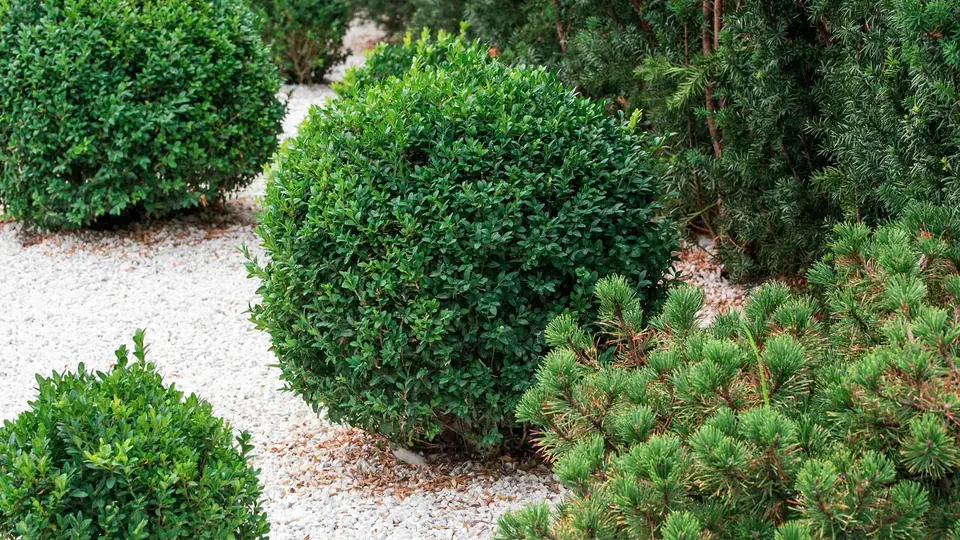
Xeriscaping is a landscaping method designed to reduce water use by selecting plants suited to dry climates. Arizona xeriscapes often include native plants, succulents, desert trees, flowering shrubs, and gravel ground cover.
Traditional landscaping may include turfgrass, seasonal flowers, and plants that need more frequent watering. Xeriscaping takes advantage of Arizona's naturally dry climate rather than trying to maintain a consistently green lawn.
Although xeriscaping generally requires less maintenance, it isn't maintenance-free. Plants still need appropriate watering, weeds can emerge after rainfall, and irrigation systems need occasional inspections. The goal is to create a yard that thrives with less water, not one that never needs attention.
Arizona's cooler winter weather usually reduces plants' water needs, but it doesn't eliminate them. Your watering schedule should depend on plant type, soil conditions, recent rainfall, and whether plants are established.
If you're unfamiliar with the property's plants or irrigation controller, ask the property manager or a local landscape professional for guidance before making major adjustments. Keep these tips in mind:
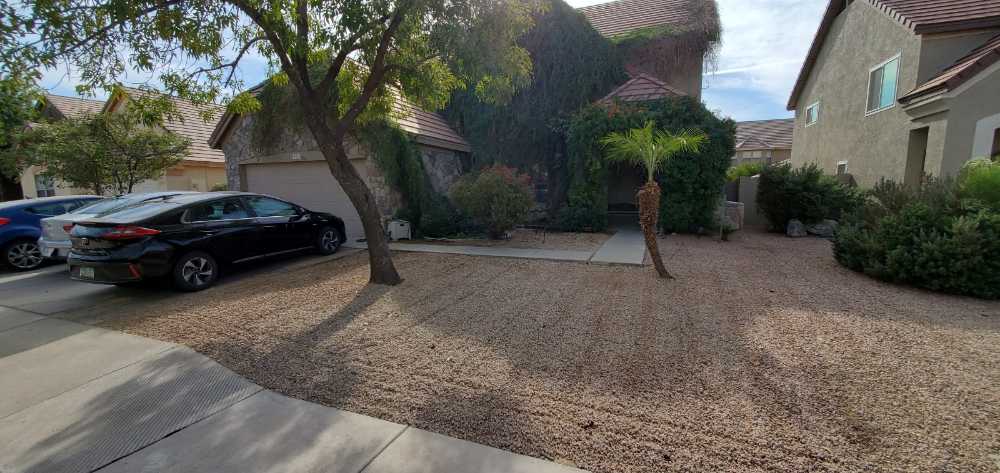
Understanding the materials and plants in your yard makes it easier to provide the right care.
Even a gravel-covered yard can develop weeds. Rainfall, irrigation, and windblown seeds can encourage growth between decorative stones and around established plants. Regular inspections help keep small problems from becoming larger ones.
Remove weeds while they're young and before they produce seeds. Hand-pulling may work for isolated weeds, but be careful around cacti and irrigation lines. Herbicides can be useful for larger infestations, although some products may damage nearby trees and shrubs if applied incorrectly.
You should also remove accumulated leaves, branches, and other debris. Organic material trapped in gravel can create places for weeds to grow and make the yard look untidy. Avoid excessive pruning, since desert plants may naturally change appearance with the seasons.
A simple maintenance routine can help you protect the property throughout your winter stay and prepare it for your eventual departure.
Remember that Arizona's climate varies by region, elevation, and weather conditions. A yard in the Phoenix area may have different watering needs from a property at a higher elevation, so use your property's specific conditions to guide your routine.
If you're renting, ask the property manager who handles irrigation, weed control, and pruning. Find out how the irrigation controller works and whether you should report problems rather than attempt repairs yourself. Avoid applying herbicides or changing watering schedules without permission.
If you own the property, plan for ongoing maintenance after you return home. A neighbor, property manager, or professional landscape service can check for irrigation leaks, weed growth, fallen branches, and signs of plant stress. This is especially important during Arizona's hot summer months, when plants may need supplemental irrigation even if the house is unoccupied.
If you're new to desert landscaping, professional help can also make it easier to identify unfamiliar plants and establish an appropriate watering schedule.
Q: Does a xeriscaped yard need winter watering?
A: Yes. Desert plants may still need supplemental irrigation during dry periods. Watering frequency depends on the plant species, soil conditions, and whether the plant is established.
Q: Is xeriscaping maintenance-free?
A: No. Xeriscaped yards still need weed control, irrigation checks, occasional pruning, and debris removal. They generally require less routine work than properties with large lawns.
Q: Why do Arizona yards have so much decorative gravel?
A: Gravel provides durable ground cover and reduces the need for water-intensive turfgrass. Weeds can still grow through it, so occasional maintenance remains necessary.
Q: Should I turn off irrigation when I leave Arizona for the summer?
A: Not automatically. Desert trees and shrubs may need supplemental water during prolonged heat. Set an appropriate watering schedule and arrange periodic property inspections before leaving.
Q: How can I prevent weeds from growing in gravel beds?
A: Inspect the yard regularly and remove weeds before they spread seeds. Check again after rainfall, and consult a professional if weeds become widespread or require herbicide treatment.
Q: Should I hire a professional to maintain my xeriscaped yard while I'm away?
A: Professional maintenance can help monitor irrigation, control weeds, and identify plant problems while you're out of state. It's particularly helpful if you won't be able to inspect the property during the summer.


Welcome to Little John’s Lawns! We are a family-owned company that specializes in providing professional lawn maintenance, lawn care, and irrigation services in Gilbert, Chandler, Mesa, and Queen Creek, AZ.